
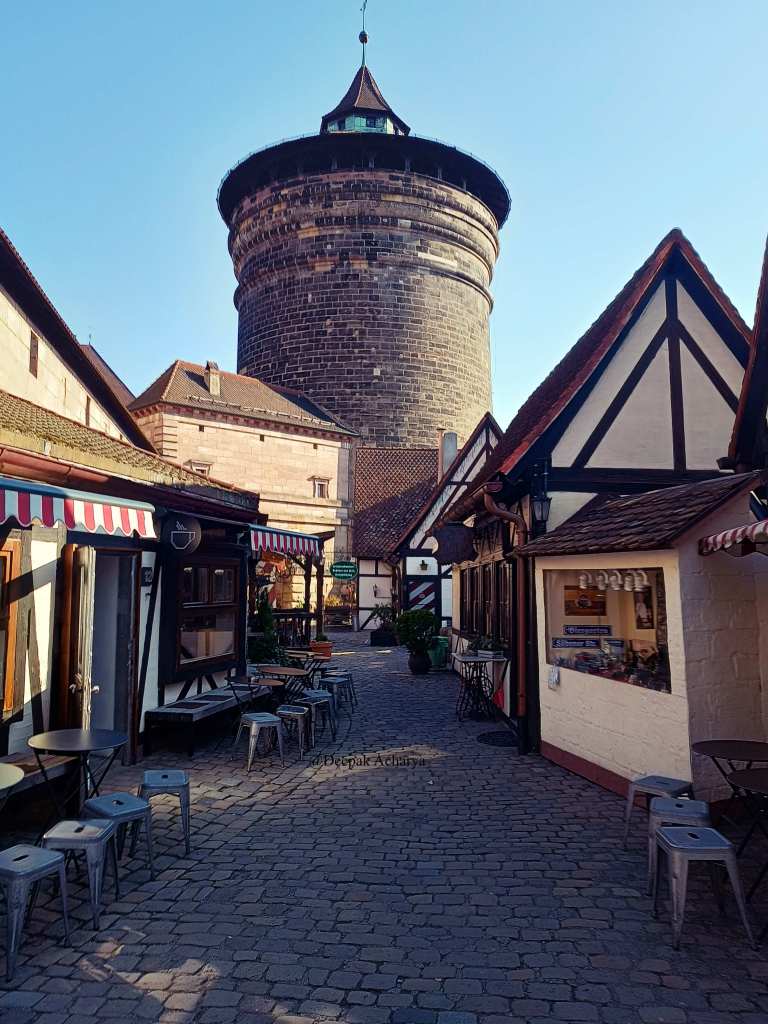
I’ve always wanted to explore Nuremberg, the second-largest city in the German state of Bavaria. From its imperial castle to its amazing buildings, Nuremberg has everything to impress any tourist, especially if you’re a history buff. During my two-day stay, I tried my best to cover as much as I could.
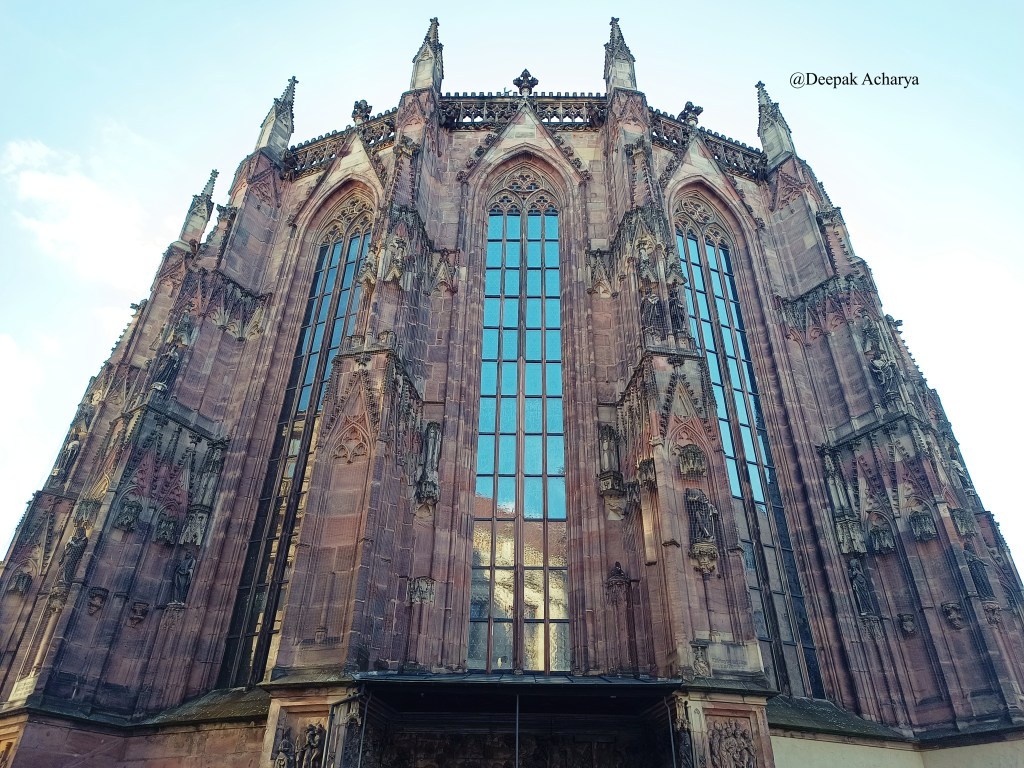
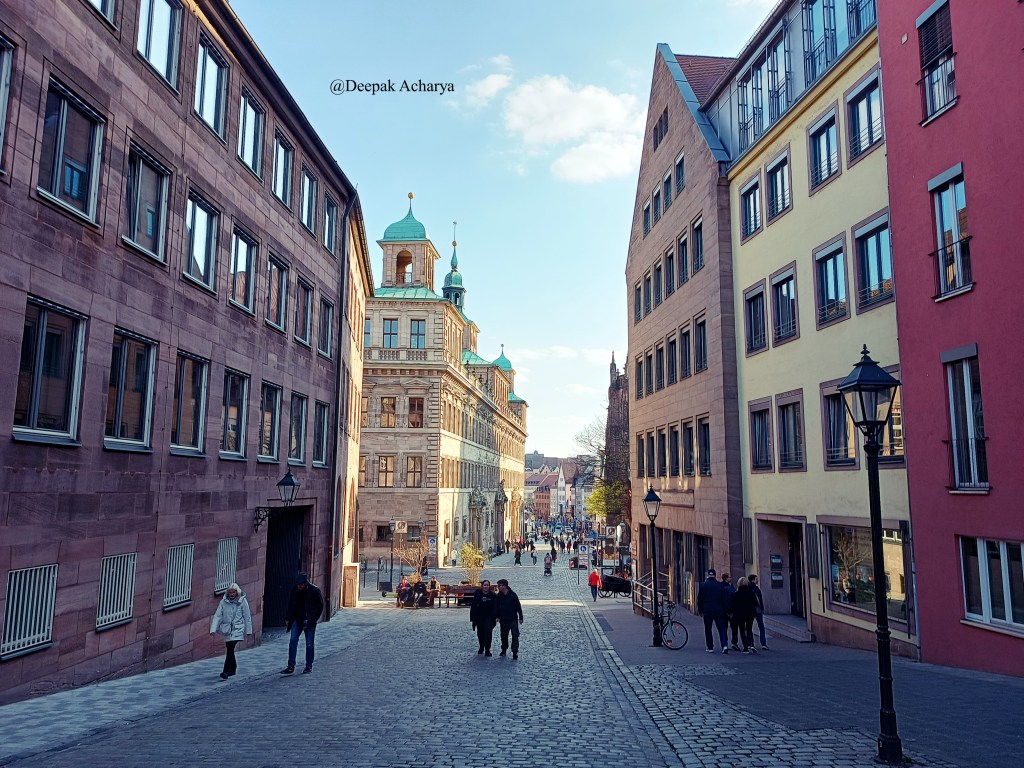
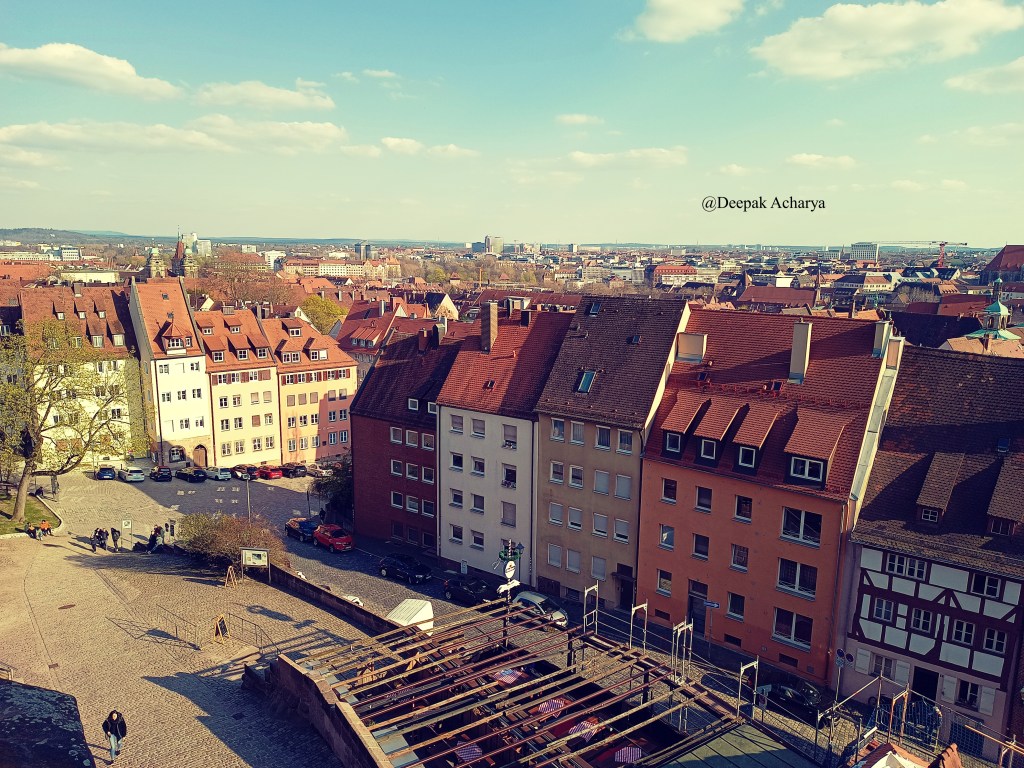
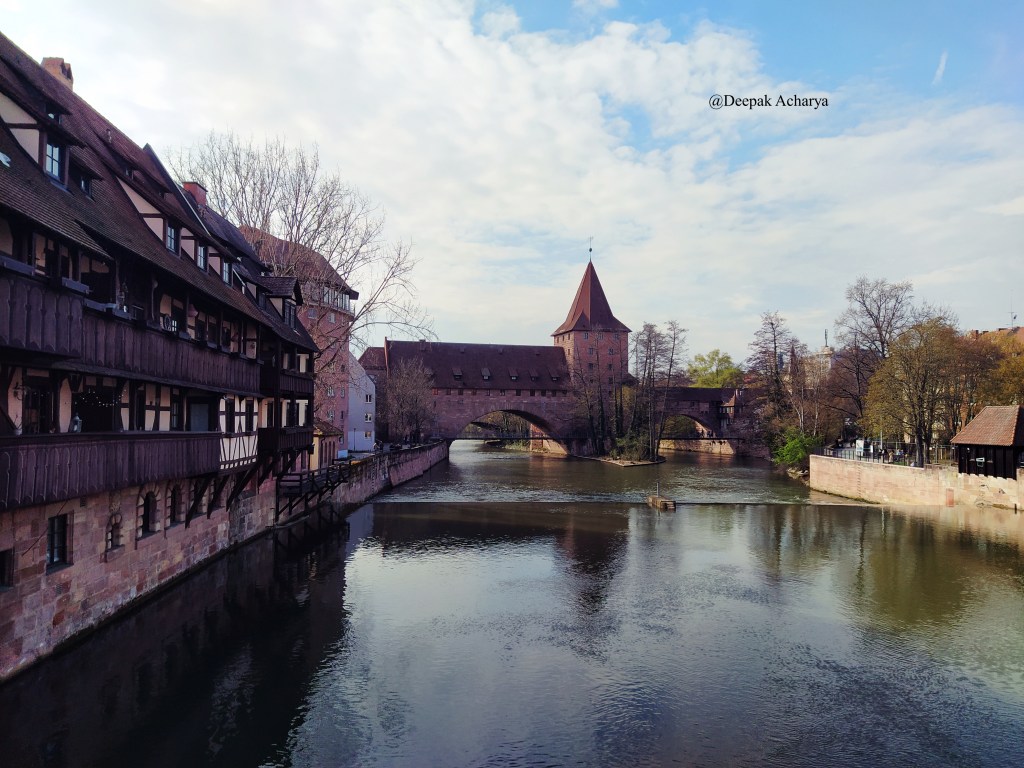
Nuremberg Old Town (Altstadt) – Nuremberg’s Altstadt is a must-see for every tourist. The Pegnitz River divides the town’s center, with matching spires of St. Sebaldus and St. Lorenz cathedrals on either side. You can walk around the perimeter of the medieval wall surrounding Altstadt, which is home to dozens of towers and four large gates.
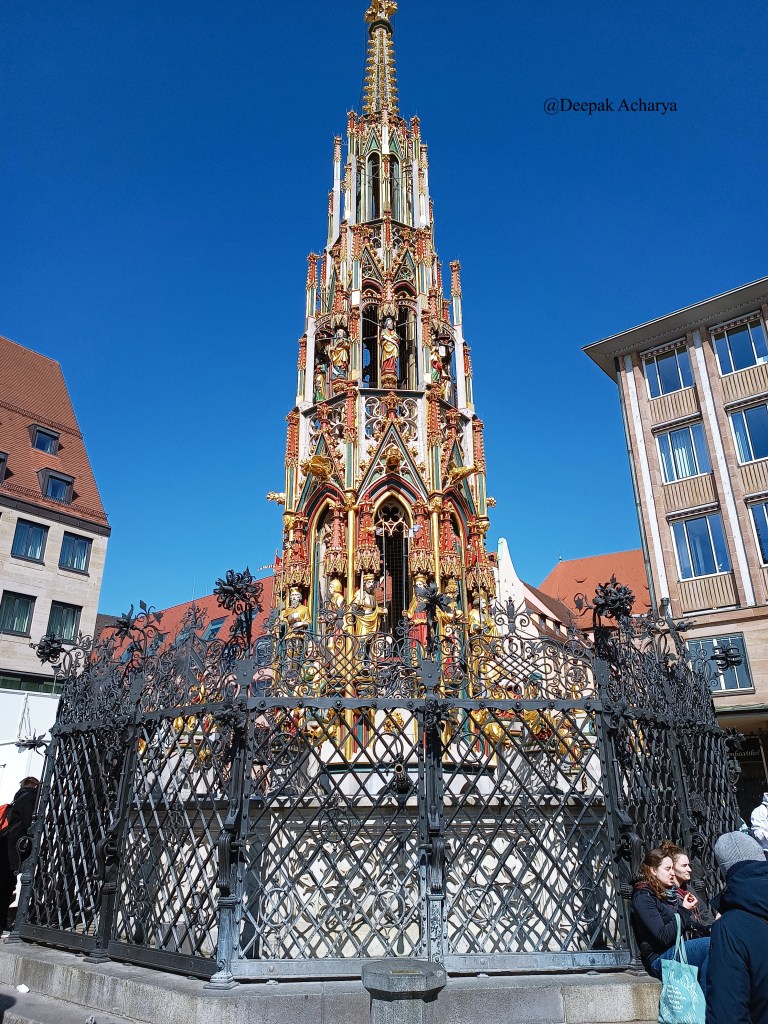
Hauptmarkt – Another famous spot in Nuremberg, well-known for its market stalls selling fresh products, crafts, and local goods. This spot is also the setting of Nuremberg’s famous Christmas market. Notable landmarks here include the Schöner Brunnen fountain and the Frauenkirche.
Imperial Castle of Nuremberg (Kaiserburg) – A must-visit for everyone. However, just make sure to spend at least one hour here to understand Germany’s ancient history. This marvelous and well-maintained castle includes the double chapel, Sinwell Tower, cellars, courtyards, and permanent history exhibitions.
There are other places to explore in Nuremberg, but due to lack of time, I skipped them.
Where to Eat – Nuremberg is dotted with numerous street food stalls and cafes. In every nook and corner, you will find something to eat. Most of the time, I ended up eating at street-side food stalls.
How to Reach Nuremberg:
By Air: Nuremberg has an airport well-connected to the rest of Europe. Air Berlin operates several flights from here.
By Train: Nuremberg’s main train station is situated in the city center. I traveled to Nuremberg from Berlin by train, which was smooth and effortless. Just make sure to book your tickets in advance; last-minute bookings can be expensive.
By Bus: One can also travel by bus; Eurolines offers many connections to Nuremberg from other European cities.


For Instagram
For photo blog http://deepakacharya.wordpress.com/
Thank You






 Bon Voyage